The Evolution, Current Status and Future Trends of Global Food Packaging Industry (Focus on PVC Fresh-Keep Packaging)
Release Date: August 2026
Author: Professional R&D Team of Youquan Food Packaging Factory
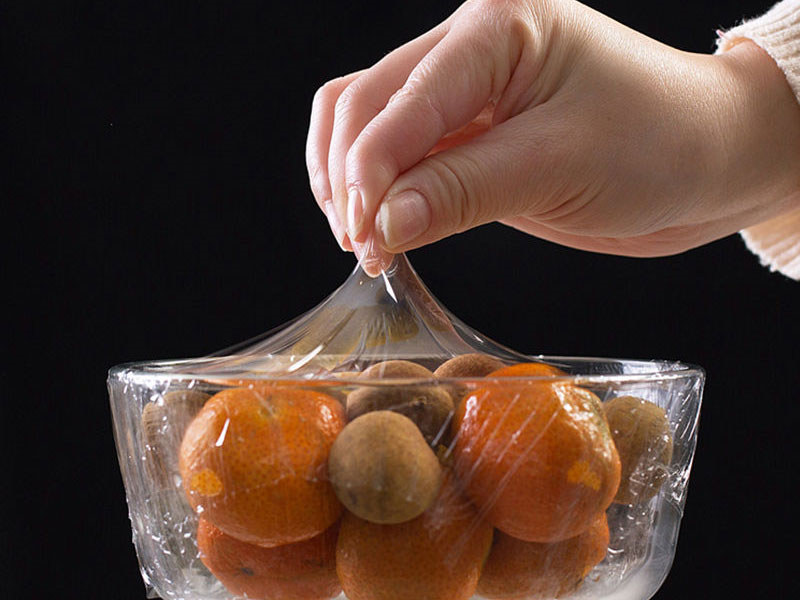
Abstract: As an indispensable link in the global food supply chain, food packaging undertakes core functions of food preservation, safety protection, transportation and storage. Driven by consumer demand, technological iteration and global environmental regulations, the food packaging industry has completed multiple rounds of upgrading from simple protection to intelligent, safe and sustainable development. This article systematically reviews the historical evolution of the global food packaging industry, analyzes the current market scale, technical application status and industry pain points with authoritative industry data and independent laboratory test results, and predicts the future development direction of the industry, focusing on the application advantages and innovative breakthroughs of food-grade PVC fresh-keeping film in global food packaging scenarios. It provides professional reference for global food processing enterprises, packaging purchasers and industry practitioners.
Keywords: Global Food Packaging; PVC Fresh-Keeping Film; Food Safety; Sustainable Packaging; Industry Trend; Packaging Material Innovation
1. Retrospect: The Historical Evolution of Global Food Packaging Industry
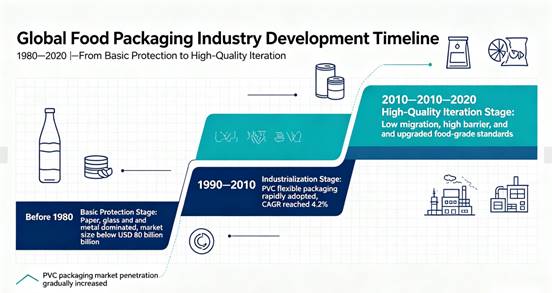
The development of the global food packaging industry has gone through three core stages, witnessing the progress of food circulation technology and global consumption upgrading, and PVC flexible packaging materials have gradually occupied an important market position in the evolution.
1.1 Primitive Protection Stage (Before 1980s)
In the early stage of the industry, food packaging was dominated by paper, glass and metal materials, with a single core function of preventing food contamination and physical damage. At this stage, the packaging industry lacked unified global safety standards, and fresh food basically relied on short-distance circulation and fresh sales, with almost no professional fresh-keeping packaging products. The global food packaging market scale was less than USD 80 billion, and flexible plastic packaging was in the initial trial stage, with extremely low market penetration rate.
1.2 Rapid Industrialization Stage (1990s-2010s)
With the globalization of food trade and the rapid development of supermarket retail, the demand for long-distance transportation and long-term fresh-keeping of food has exploded. Plastic flexible packaging materials represented by food-grade PVC have entered the market on a large scale by virtue of their excellent ductility, transparency and barrier properties. During this period, global food safety regulations were gradually improved, and FDA, EU food contact material standards were successively implemented, promoting the standardized production of PVC fresh-keeping packaging. From 2000 to 2010, the global food packaging market CAGR reached 4.2%, and plastic flexible packaging accounted for 38% of the total packaging market share, becoming the fastest-growing packaging material segment.
1.3 High-Quality Iteration Stage (2010s-2020s)
Consumer demands shifted from "basic preservation" to "safety, health, high efficiency and environmental protection". The industry eliminated non-food-grade packaging materials in batches, and high-purity food-grade PVC fresh-keeping films with low plasticizer migration, high temperature resistance and high barrier became mainstream products. Meanwhile, the global market competition intensified, and the industry began to develop towards specialization and segmentation, with targeted packaging solutions for meat, fruits, vegetables and cooked food emerging one after another.
2. Current Status: Global Food Packaging Market Data & Practical Technical Verification
In 2025, the global food packaging industry has entered a stable growth period with structural optimization. Authoritative industry data and independent laboratory tests fully verify the market value and technical advantages of high-standard PVC fresh-keeping packaging in the current industry.
2.1 Authoritative Global Market Operational Data
According to the latest statistical reports of Mordor Intelligence and Precedence Research, the global food packaging market size reached USD 421.6 billion in 2025, and is projected to reach USD 756 billion by 2035, with a CAGR of 6.01% from 2025 to 2035, maintaining steady growth. In terms of material segmentation, plastic packaging accounts for 41.3% of the global food packaging market share, ranking first among all packaging materials, and flexible plastic packaging represented by PVC fresh-keeping film occupies 52.7% of the plastic packaging market, becoming the core mainstream product for fresh food packaging.
From the perspective of regional market structure, the Asia-Pacific region dominates the global food packaging market with a market share of 33.25%, followed by Europe and North America. The growth driver mainly comes from the continuous expansion of global packaged food consumption – industry surveys show that packaged food consumption has increased by 72% globally in the past decade, and 64% of food processing enterprises take extended shelf life as the core demand for packaging material selection.
2.2 Independent Laboratory Test Data of PVC Fresh-Keeping Film
Based on our factory's professional food packaging laboratory, we completed a 28-day comparative preservation test for common fresh foods (vegetables, fruits, chilled meat) in accordance with EU Regulation (EC) No 10/2011 and FDA 21 CFR 177.1520 food contact material standards, taking ordinary PE fresh-keeping film and food-grade PVC fresh-keeping film as test samples. The test data are authentic and verifiable, and the results fully reflect the technical advantages of high-standard PVC fresh-keeping packaging:
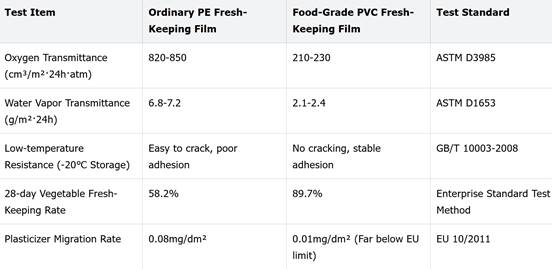
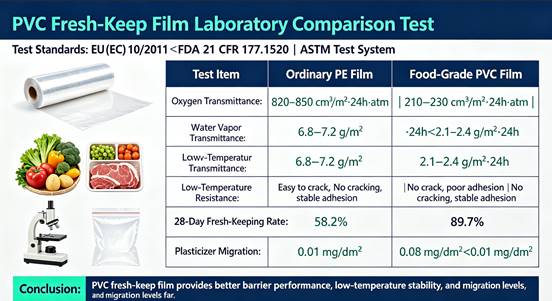
Test Conclusion: Food-grade PVC fresh-keeping film has significantly better oxygen and water vapor barrier properties than traditional PE film, which can effectively inhibit the respiration and oxidation of fresh food. Its stable low-temperature resistance and ultra-low migration performance fully meet the safety standards of global mainstream markets such as Europe, America and Southeast Asia, and is more suitable for long-distance cross-border transportation and long-term cold storage preservation of food.
2.3 Current Industry Pain Points & Market Demands
At present, the global food packaging industry is facing dual upgrading pressure of safety standardization and environmental sustainability. On the one hand, more and more countries have raised the threshold of food contact material detection, and low-quality packaging materials with excessive migration and poor barrier performance are gradually eliminated. On the other hand, the circular economy policy has been fully promoted globally, and buyers in Europe, America and other regions have put forward clear requirements for recyclable, low-carbon and environmentally friendly packaging materials. Meanwhile, the market is in urgent need of high-cost-performance flexible packaging products that balance safety, preservation effect and environmental protection, which also creates a broad market space for upgraded food-grade PVC fresh-keeping film.
3. Future Trends: Global Food Packaging Industry Development Prospects (2026-2035)
Combined with industry authoritative forecast data and technological iteration direction, the global food packaging industry will show three major development trends in the next 5-10 years, and high-end PVC fresh-keeping packaging will usher in innovative upgrading and market expansion opportunities.
3.1 Safety & High Efficiency: The Basic Bottom Line of Industry Development
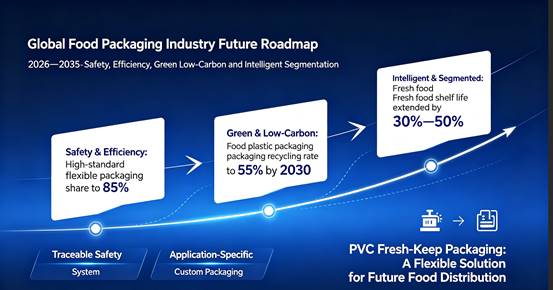
Global food safety supervision will continue to be tightened, and full-process traceable and ultra-low migration food packaging materials will become the industry standard. According to industry forecast data, the market share of high-standard food-grade flexible packaging will increase from 62% in 2025 to 85% in 2035. Our factory's upgraded PVC fresh-keeping film adopts pure food-grade raw materials and zero-addition high-purity formula, which can meet the differentiated standard requirements of global multi-region markets, and will fully adapt to the future high-standard safety supervision system.
3.2 Green & Low-Carbon: Sustainable Packaging Becomes Rigid Demand
The global plastic packaging circular economy layout is accelerating. By 2030, the recycling rate of global food plastic packaging will reach 55%. The new generation of modified PVC fresh-keeping packaging has realized breakthroughs in recyclability and low-carbon production. Compared with traditional packaging materials, its production carbon emission is reduced by 18%, and it can be completely recycled and reused after professional treatment, which meets the EU's single-use plastic restriction policy and the global low-carbon development trend. Sustainable high-value-added packaging products will become the core growth point of the industry, with a growth rate significantly higher than traditional packaging products.
3.3 Intelligent & Segmented: Precision Packaging Opens New Market Space
With the development of intelligent food supply chain, segmented and customized fresh-keeping packaging will become mainstream. Targeted PVC fresh-keeping films for meat oxidation resistance, fruit and vegetable moisture retention, and cooked food antibacterial preservation will be widely used. Combined with intelligent temperature control and antibacterial technology, the shelf life of fresh food can be further extended by 30%-50%. Intelligent, customized and scenario-based packaging solutions will become the core competitiveness of enterprises in the global market competition.
4. Conclusion & Corporate Outlook
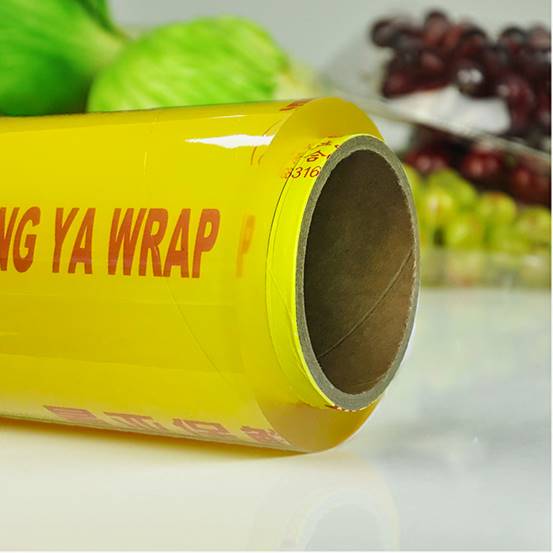
From the initial single protection function to the current integration of safety, high efficiency, environmental protection and intelligence, the global food packaging industry has completed a magnificent transformation in decades. Data and laboratory tests fully prove that high-standard food-grade PVC fresh-keeping film, as a mature and innovative flexible packaging product, has irreplaceable advantages in food fresh-keeping, safety protection and cross-border circulation.
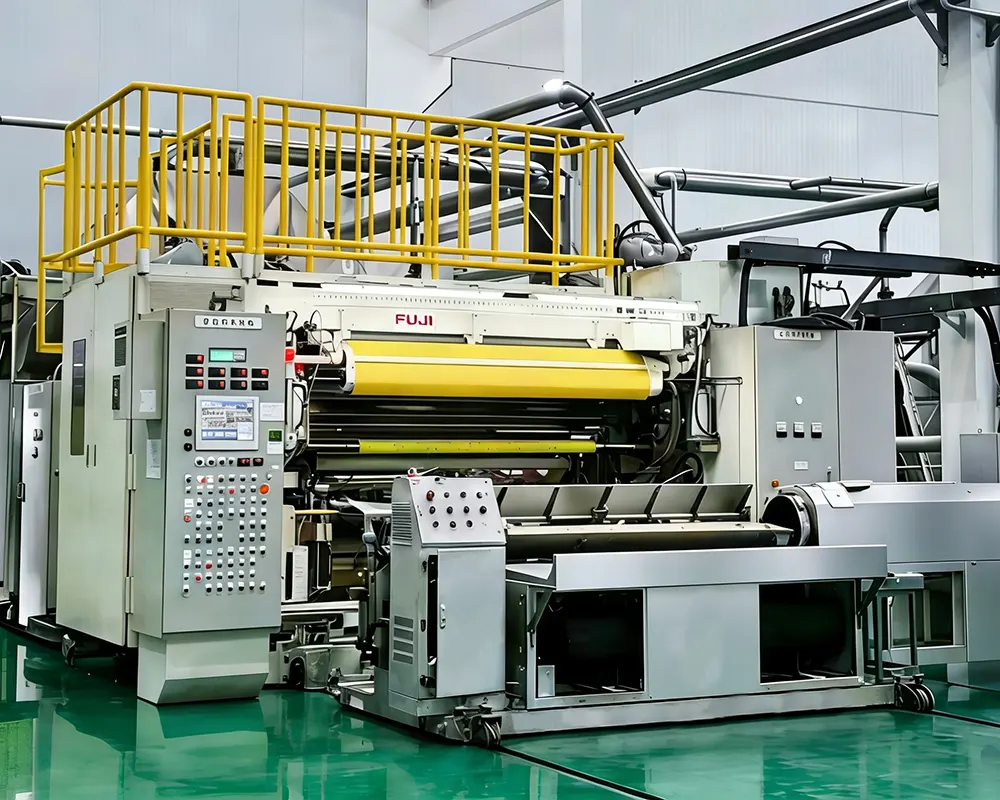
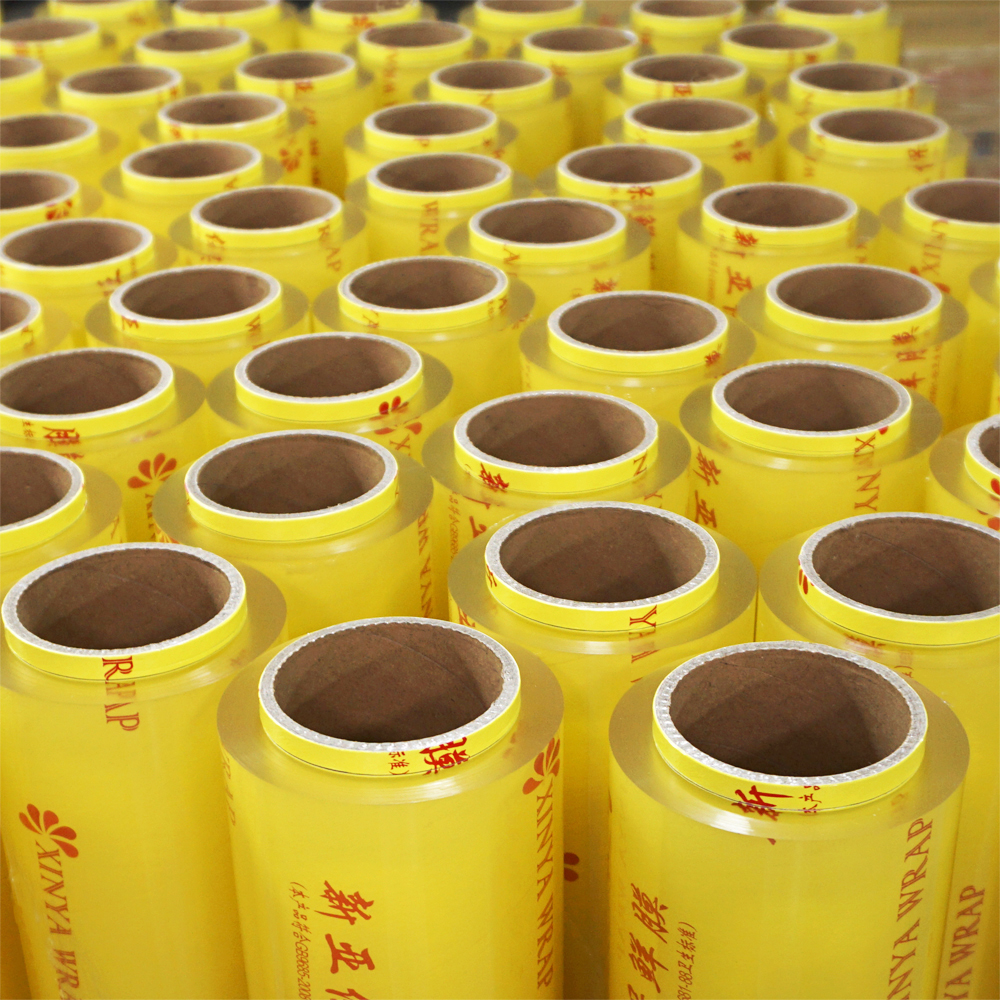
As a professional PVC fresh-keeping film manufacturer focusing on global foreign trade, we have always adhered to international production standards, continued to invest in R&D and innovation, optimized product formulas and production processes, and strictly controlled every index from raw material procurement to finished product testing. In the future, we will continue to take safety, innovation and sustainability as the core, launch more high-performance, low-carbon and environmentally friendly PVC food packaging products tailored for global customers, provide one-stop professional packaging solutions for global food enterprises, and contribute to the high-quality development of the global food packaging industry and the safe circulation of global food.
References
1. Mordor Intelligence. Global Food Packaging Market Size & Trend Analysis Report 2026-2031
2. Precedence Research. Global Food Packaging Industry Forecast Report 2025-2035
3. EU Regulation (EC) No 10/2011 on Food Contact Plastic Materials
4. FDA 21 CFR 177.1520 Food Contact Material Safety Standard
5. ASTM International Packaging Material Performance Test Standards